
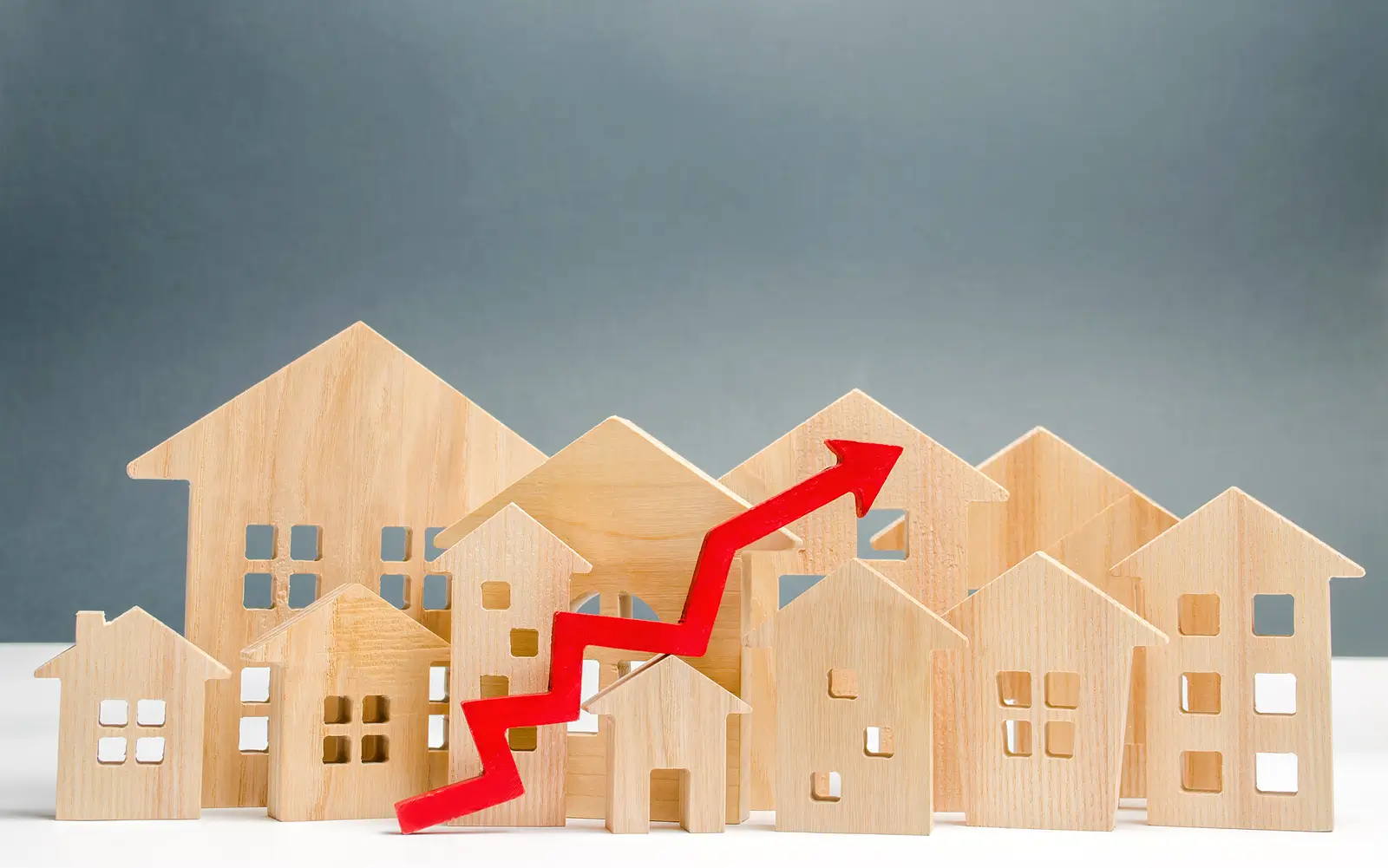
Rent growth and market trends have a direct impact on how rental properties perform in Kansas City. These factors influence how quickly a property leases, the type of tenants it attracts, and the level of income it generates over time. Property owners who stay informed about shifting conditions are better equipped to make decisions that protect both short-term cash flow and long-term value.
The Kansas City rental market continues to evolve based on economic conditions, population growth, and housing supply. While some periods bring steady rent increases, others require a more strategic approach to remain competitive. Tracking these changes allows property owners to adjust pricing, improve positioning, and maintain consistent performance.
Key Takeaways
Rent growth trends directly influence pricing strategies and income potential, as changes in local demand and supply conditions determine how aggressively rental rates can be adjusted while maintaining occupancy.
Market conditions affect tenant demand, vacancy timelines, and leasing activity, since economic shifts, seasonal patterns, and housing availability impact how quickly properties attract qualified applicants.
Property condition plays a key role in staying competitive regardless of market shifts, with well-maintained homes consistently drawing more interest and supporting stronger rental performance.
Strategic adjustments based on data support long-term investment stability, enabling property owners to respond to trends, optimize pricing, and maintain consistent returns over time.
What Drives Rent Growth in Kansas City
Rent growth is influenced by several factors, including job growth, population changes, and housing availability. When more people move into the area and rental supply remains limited, demand increases, and rental prices tend to rise. These conditions create opportunities for property owners to increase income while maintaining occupancy.
On the other hand, when new developments add more rental inventory to the market, competition can slow rent growth. Property owners must then rely on competitive pricing and strong property presentation to attract tenants. Monitoring these conditions helps ensure pricing decisions remain aligned with current market realities.
How Market Trends Affect Rental Pricing
Market trends play a central role in determining how rent should be priced. Factors such as vacancy rates, seasonal demand, and economic conditions all influence how competitive a property needs to be. Pricing that is too aggressive may lead to extended vacancies, while pricing that is too low may reduce overall returns.
Regularly reviewing comparable properties in the same neighborhood helps establish realistic pricing benchmarks. Adjusting rent based on current conditions allows property owners to maintain a balance between occupancy and income. This approach supports consistent leasing activity even when the market shifts.
The Impact of Tenant Demand
Tenant demand is closely connected to both rent growth and overall market trends. High demand typically leads to faster leasing timelines and more qualified applicants. In contrast, lower demand may require stronger marketing efforts and more flexibility in pricing or lease terms.
Maintaining consistent demand requires attention to tenant expectations and market conditions. Clear communication, professional processes, and structured approaches to tenant compliance situations help create a stable rental environment that attracts and retains qualified tenants.
Why Property Condition Still Matters
While market trends influence pricing, property condition remains a critical factor in rental performance. Well-maintained homes attract more interest, lease faster, and often command stronger rental rates. Tenants are more likely to choose properties that are clean, updated, and properly maintained.
Deferred maintenance can reduce a property’s appeal, even in strong markets. Each time repairs are delayed, the risk of tenant dissatisfaction increases. Working with a reliable property maintenance team helps ensure the property remains in excellent condition, supporting both tenant satisfaction and long-term value.
Tracking Market Trends Effectively
Tracking market trends requires a consistent review of local data, including rental rates, vacancy levels, and economic indicators. Property owners who monitor these factors regularly are better prepared to respond to changes and adjust strategies accordingly.
Comparing data over time provides a clearer picture of how the market is evolving. Rather than reacting to short-term fluctuations, reviewing long-term trends allows property owners to make more informed decisions that align with overall investment goals.
Balancing Rent Growth With Tenant Retention
Increasing rent can improve income, but it must be balanced with tenant retention. Large increases may lead to higher turnover, which can offset potential gains through vacancy costs and turnover expenses.
Each time a tenant moves out, property owners face costs related to cleaning, repairs, and marketing. Retaining tenants helps reduce these expenses and maintain consistent income. Applying effective tenant retention methods supports longer lease terms and more stable financial performance.
Long-Term Effects on Property Performance
Rent growth and market trends influence long-term property performance, including appreciation and return on investment. Properties that adapt to market conditions tend to perform more consistently over time.
Adjusting pricing, maintaining property condition, and responding to tenant needs all contribute to sustained performance. Staying proactive allows property owners to protect their investment while taking advantage of opportunities as they arise.
FAQs
1. How often should rent be adjusted?
Rent adjustments typically occur at lease renewal, but they should be based on current market data and comparable rental rates.
2. What happens if rent is priced too high?
Overpricing can lead to longer vacancy periods and reduced interest from qualified applicants, which may impact overall income.
3. Can market trends change quickly?
Yes, market conditions can shift due to economic changes, housing supply, and seasonal demand, making regular monitoring important.
4. How does tenant retention affect profitability?
Higher retention reduces turnover costs and helps maintain steady income, even during slower market conditions.
5. Is property condition important in all markets?
Yes, well-maintained properties consistently attract more interest and perform better regardless of market trends.
Strengthen Your Rental Strategy With OZ Accommodations
Rent growth and market trends can significantly influence your property’s performance, making it important to stay proactive with pricing, maintenance, and tenant management. A well-structured approach helps maintain occupancy, control costs, and support consistent income over time.
OZ Accommodations helps property owners in Kansas City, KS manage these challenges through professional services and local expertise. If you want to improve performance and protect your investment, contact us today and see how our team can support your rental goals.