
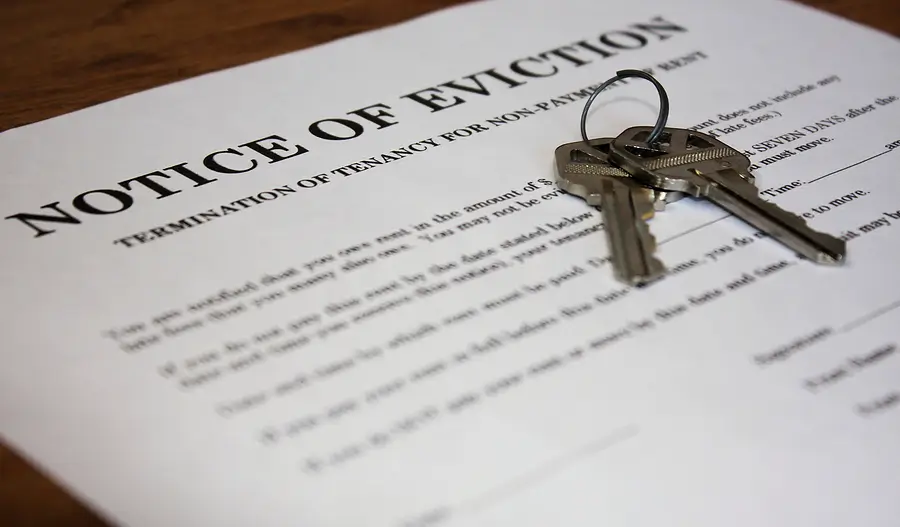
Dealing with a tenant who refuses to leave a rental property can be one of the most stressful challenges landlords face. What landlords should know about unlawful detainer cases in Kansas City is critical for protecting your property, following the law, and avoiding costly mistakes. An unlawful detainer is the legal process landlords use to regain possession of a leased property when a tenant remains after failing to pay rent, violating the lease agreement, or staying beyond the legal right to occupy the unit. Understanding how the eviction process works, what notices are required, and how courts handle these disputes can help landlords move forward confidently and lawfully.
Key Takeaways
Unlawful detainer cases focus on possession of the property, not recovering unpaid rent alone.
Proper notice to vacate is required before filing an eviction lawsuit in Kansas City.
Following the legal process protects landlords from delays, fines, and dismissed cases.
Professional support helps landlords manage eviction cases efficiently and compliantly.
What Is an Unlawful Detainer Case?
An unlawful detainer occurs when a tenant remains in possession of a rental property without legal right. This situation often arises from unpaid rent, lease violations, or holding over after a lease term ends. The unlawful detainer action allows a landlord to ask the court to restore possession of the real property. It does not automatically resolve disputes about damages, statutory interest, or attorney fees unless those claims are properly included.
In Kansas City, unlawful detainer cases are handled through the circuit court or county court, depending on jurisdiction and the amount in dispute. The sole issue in these cases is usually possession of the property, not long-term financial recovery.
Common Reasons Landlords File Unlawful Detainer Actions
Landlords pursue an unlawful detainer action for several reasons. The most common is non-payment of rent. When a tenant fails to pay rent and cannot afford payment despite proper notice, the landlord may begin the eviction process. Other common reasons include repeated lease violations, illegal activity on the premises, or refusal to leave after the lease agreement ends.
In some cases, landlords may need to act quickly to protect other tenants, especially when safety or illegal activity is involved. However, even in urgent situations, landlords must follow proper notice and legal procedure before attempting to forcibly remove a tenant.
Notice to Vacate and Written Notice Requirements
Before filing an eviction lawsuit, landlords must provide the tenant with a proper notice to vacate. This written notice informs the tenant that they must leave the property by a specific date or face legal action. Kansas City laws require landlords to give notice that clearly states the reason for termination, whether it is unpaid rent, lease violations, or expiration of the lease.
Posting the notice on the front door is common, but landlords should ensure delivery methods meet legal standards. Failure to provide proper notice is one of the most common reasons eviction cases are dismissed by the court. Keeping dated copies of all written notice documents is essential if the case proceeds to the justice court.
Filing an Eviction Suit in Court
If the tenant does not comply with the notice to vacate, the landlord may file an eviction suit, also called an eviction lawsuit, with the appropriate court. This begins the formal legal process. The court will schedule a hearing where both landlord and tenant can present evidence.
During this stage, landlords should be prepared to show the lease agreement, proof of non-payment or violations, and documentation that proper notice was given. Court costs may apply, and in some cases, attorney fees can be requested depending on lease terms and applicable laws.
What Happens During the Court Hearing?
At the hearing, the judge will review whether the landlord followed the correct eviction process. The court will not usually consider unrelated disputes. The focus remains on possession of the property. If the landlord proves their case, the court may issue a judgment granting possession back to the landlord.
In some eviction cases, summary disposition may occur if the tenant fails to appear. If the tenant contests the case, the judge may consider arguments related to notice, lease terms, or alleged landlord errors. Understanding civil procedure rules helps landlords avoid technical mistakes that delay outcomes.
Forcible Detainer and Regaining Possession
Once a judgment is entered, the landlord may proceed with a forcible detainer if the tenant still refuses to leave. This step allows law enforcement to enforce the court order and restore possession to the landlord. Landlords must never attempt to forcibly remove tenants themselves, shut off utilities, or change locks without court authorization.
Improper actions can expose landlords to legal action, fines, or liability. Using the lawful process protects both parties and ensures the eviction is enforceable.
Managing the Property During an Eviction Case
While an eviction case is pending, landlords must continue maintaining the property. Habitability obligations remain in effect, and failure to address urgent repairs can complicate the case. Partnering with reliable maintenance services ensures the rental property remains in a compliant condition throughout the eviction process.
Clear documentation of repair requests, completed work, and tenant access helps protect landlords if disputes arise during court proceedings.
Financial Considerations and Recordkeeping
Unlawful detainer cases often involve unpaid rent, court costs, and potential statutory interest, excluding statutory interest depending on claims filed. Keeping accurate financial records is critical when presenting evidence in court. Organized rent ledgers, notices, and payment histories support the landlord’s position.
Using professional accounting support helps landlords track rent payments, non-payment issues, and costs associated with eviction cases. Proper records also assist if landlords later pursue recovery of unpaid rent through separate legal action.
How Unlawful Detainer Affects Other Tenants
Eviction cases can impact other tenants living in the property. Noise, disputes, or illegal activity may disrupt the community. Addressing issues promptly and lawfully helps maintain a stable environment. Communicating clearly with other tenants while respecting privacy builds trust and minimizes tension during the eviction process.
Landlords who manage multiple units benefit from having clear procedures to address tenant issues consistently across all properties.
Legal Guidance and When to Seek Help
While some landlords handle eviction cases independently, complex situations often benefit from legal counsel. Issues involving illegal activity, disputed notices, or contested lease terms increase the risk of delays or unfavorable rulings. Reviewing eviction procedures through trusted educational resources can also help landlords understand expectations and avoid mistakes.
Staying informed about Kansas City regulations and court requirements reduces stress and improves outcomes in unlawful detainer actions.
FAQs
How long does an unlawful detainer case take in Kansas City?
Timelines vary, but many cases are resolved within a few weeks if proper notice is given and the tenant does not contest the eviction.Can a landlord recover unpaid rent through an unlawful detainer case?
The primary goal is possession, though some courts allow claims for unpaid rent if properly filed.What happens if a tenant ignores a court judgment?
Law enforcement can enforce the order through a forcible detainer to return possession to the landlord.Is shutting off utilities allowed to force a tenant out?
No. This is illegal and can result in penalties against the landlord.Do landlords need an attorney for eviction cases?
Not always, but legal guidance is helpful for contested or complex cases.
Partner With Oz Accommodations for Confident Eviction Management in Kansas City
Navigating unlawful detainer cases requires accuracy, patience, and strict compliance with the law. From serving proper notice to managing court appearances and maintaining your property, every step matters. Oz Accommodations supports landlords throughout Kansas City by providing professional property management solutions that reduce risk and streamline the eviction process. If you need help handling difficult tenant situations or want expert support protecting your investment, reach out today and take the next step toward confident property management.